 by Paolo Weston
How Dirty Air Filters Increase Cooling Costs in Florida
In West Palm Beach, air conditioning is not a luxury....
by Paolo Weston
Many homeowners assume that central air conditioners pull fresh air from outside and bring it into the home. Others believe the system works entirely with indoor air. Understanding how central AC systems actually operate can help homeowners make informed decisions about indoor air quality, ventilation needs, and system maintenance. Florida’s climate adds another layer of importance, as homes rely on cooling systems for much of the year. Knowing the difference between air recirculation and ventilation can help homeowners improve comfort, reduce humidity, and maintain healthier indoor environments.
Central air conditioners are designed to cool and dehumidify indoor air. They work by drawing air from inside the home, passing it through the system’s evaporator coil, and redistributing it back into the living spaces. Most standard systems do not introduce fresh outdoor air during normal operation. Instead, they rely on recirculation. This approach makes the cooling process more efficient because the system does not need to condition hot, humid outdoor air.
Recirculation helps maintain consistent indoor temperatures and reduces energy consumption. If a system regularly pulled in outside air, it would need to run longer and work harder, especially during the peak of Florida’s summer heat. This extra load would place strain on components and increase utility costs, which is why central AC systems are built to reuse indoor air.
One of the main advantages of recirculating air is improved energy efficiency. Indoor air becomes cooler as the system operates, making it easier for the AC to maintain the set thermostat temperature. When air is already partially cooled, the system uses less energy to achieve the desired comfort level.
This approach is particularly beneficial in Florida. Humidity is a major factor in comfort and energy usage. Because central AC systems remove moisture from indoor air through the evaporator coil, recirculating that conditioned air helps maintain balanced humidity levels. If the system constantly brought in outdoor air, it would need to remove moisture repeatedly, increasing wear and raising energy consumption.
Recirculation also helps the AC system run more smoothly by preventing frequent cycling. Stable indoor temperatures reduce stress on compressors, fans, and other components. In the long run, this can extend the lifespan of the system and reduce the number of major repairs.
Even though central air conditioners do not bring in fresh air, they still play an important role in improving indoor air quality. As air passes through the return vents, it moves through one or more filters. These filters capture dust, debris, pet dander, and other common household particles. Over time, this process helps reduce airborne contaminants circulating throughout the home.
Filters vary in quality and rating, and homeowners can choose options that target specific needs. Higher-rated filters may capture smaller particles, including pollen and certain bacteria. However, these filters may also restrict airflow if they are too dense for the system. Choosing the right filter is important to maintain both air quality and system performance.
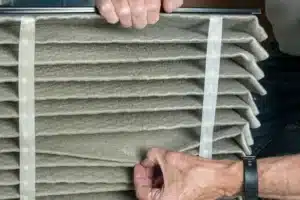
Regular filter replacement is essential. A clogged filter reduces airflow, forcing the system to work harder. In Florida’s climate, where AC systems run frequently, filters often need to be replaced more often than in cooler regions. Staying on schedule with filter changes ensures cleaner air and protects the system from unnecessary strain.
Although central AC systems do not naturally bring in fresh air, homeowners can still introduce fresh outdoor air through additional equipment. These solutions work alongside the existing cooling system to improve indoor air quality and ventilation.
One option is a mechanical ventilation system. These systems bring in a controlled amount of outdoor air and help expel stale indoor air. They are designed to keep the home ventilated without overwhelming the AC system. Many modern ventilation systems include filters that help remove outdoor pollutants before the air enters the home.
Another option is an energy recovery ventilator, often called an ERV. ERVs are particularly useful in humid climates like Florida because they help balance humidity levels while exchanging indoor and outdoor air. They transfer moisture and heat between incoming and outgoing air streams, reducing the workload on the AC. This makes ERVs a practical choice for homeowners who want fresh air without sacrificing efficiency.
These systems offer a middle ground by improving ventilation while still preserving energy savings. They are especially beneficial in newer, tightly sealed homes where natural airflow is limited.
Central AC systems focus on cooling efficiency. Pulling in fresh air from outside would cool the home less effectively, especially in a hot and humid region. Outdoor air typically contains moisture, heat, and pollutants. If this air entered the home directly through the AC, the unit would need additional time to lower the temperature and remove moisture. This would result in longer run times and increased energy usage.
Florida’s environmental conditions highlight these challenges. High humidity makes outdoor air much harder to condition. Constantly introducing humid air into the system would likely lead to mold growth, drain line issues, and reduced efficiency. For this reason, central AC systems are designed to operate in a closed loop, relying on recirculation to maintain stable indoor conditions.
Even though central air conditioners do not ventilate the home, ventilation still plays a major role in indoor air quality. Homes need a balance between sealed environments for energy efficiency and adequate airflow to prevent stagnant air.
Ventilation can occur naturally through gaps, doors, windows, and structural openings. However, natural ventilation is often inconsistent and unpredictable. It also introduces unfiltered air, which may include pollen, allergens, and humidity.
Mechanical ventilation provides a controlled alternative. It provides predictable airflow, helps manage humidity, and prevents indoor air from becoming stale. When paired with a central AC system, mechanical ventilation can improve comfort and health while keeping energy costs manageable.
Recirculating indoor air can have both benefits and drawbacks. On the positive side, recirculation helps maintain temperature stability and humidity control. It also makes filtration more effective by passing air through the system repeatedly.
However, recirculation can concentrate contaminants if filters are not maintained or if households generate large amounts of indoor pollutants. Activities like cooking, cleaning, and using certain household products can introduce particles and chemicals into the air. Without adequate ventilation, these contaminants may linger.
Improving indoor air quality often involves a combination of steps. Frequent filter changes, scheduled HVAC maintenance, and optional upgrades such as UV lights or high-efficiency filtration systems can improve air quality. Homeowners may also consider adding ventilation systems or air purifiers to help manage indoor pollutants.
Florida homeowners frequently keep doors and windows closed due to heat, humidity, and the need for cooling efficiency. This makes mechanical ventilation even more important. Homes that remain closed for long periods may experience trapped odors, elevated humidity, and limited fresh airflow.
Installing an ERV or mechanical ventilator can help address these issues. These systems allow homes to receive the benefits of fresh outdoor air without exposing the AC system to excessive humidity. They help maintain healthier indoor environments while preventing mold growth, moisture buildup, and stale air.
Ventilation upgrades can also be beneficial for households with allergies or respiratory concerns. Fresh air systems help dilute indoor pollutants and reduce dust accumulation. When paired with a well-maintained central AC system, these solutions offer balanced and consistent comfort.
A central AC system can support indoor air quality when it is serviced regularly. Maintenance helps ensure the system operates efficiently and keeps air flowing properly. Tasks such as inspecting coils, checking refrigerant levels, cleaning the drain line, and replacing filters allow the system to function as intended.
Proper airflow is essential for both comfort and air quality. When any part of the system becomes clogged or damaged, airflow may weaken. This can lead to inconsistent temperatures, higher humidity, and reduced filtration efficiency. Routine service prevents these issues and helps protect indoor air conditions.
Adding indoor air quality accessories to the system can also provide significant benefits. These may include whole-home air purifiers, UV sanitation systems, and humidity control tools. Each upgrade plays a role in maintaining healthier indoor environments and reducing airborne contaminants.
Most central air conditioning systems operate by recirculating indoor air rather than pulling in fresh air from outside. This design helps improve energy efficiency and makes it easier to maintain comfortable indoor temperatures in Florida’s demanding climate. Although recirculation supports cooling performance, it does not provide ventilation on its own.
Homeowners who want fresh air inside their homes can explore mechanical ventilation systems or energy recovery ventilators. These solutions introduce fresh air in a controlled way without overwhelming the cooling system. When combined with regular maintenance and proper filter care, central AC systems can support both comfort and healthy indoor air all year long.
Understanding how central AC systems manage air helps homeowners make informed decisions about ventilation, comfort, and long-term system performance.
Paolo Weston is the owner of Kyzar Air Conditioning, committed to delivering reliable and efficient HVAC solutions for both homes and businesses. With years of experience in heating, cooling, and ventilation systems, he prioritizes quality workmanship, energy efficiency, and exceptional customer service. Paolo is dedicated to helping clients maintain comfortable, safe, and well-functioning indoor environments year-round.
 by Paolo Weston
In West Palm Beach, air conditioning is not a luxury....
 by Paolo Weston
Most homeowners in West Palm Beach, Florida, take their HVAC...
 by Paolo Weston
Indoor air quality is often overlooked in homes, but for...
 by Paolo Weston
Maintaining a comfortable environment in commercial spaces is more complicated...
 by Paolo Weston
For property owners in West Palm Beach, maintaining a dependable...
 by Paolo Weston
Commercial properties in Florida rely heavily on HVAC systems to...