 by Paolo Weston
Why Ignoring Strange HVAC Noises Can Lead to Costly Repairs
Most homeowners in West Palm Beach, Florida, take their HVAC...
by Paolo Weston
Many homeowners in Florida focus on keeping their homes cool and comfortable, especially during the long, humid summer months. But one factor that often goes unnoticed is indoor air quality. The air circulating through your HVAC system directly affects the health and well-being of everyone in your household. Understanding how air quality impacts your family can help you take steps to create a cleaner, safer living environment.
Indoor air quality refers to the condition of the air inside your home and how it affects the health of those who live there. Since most people spend a large portion of their day indoors, the air in your home can have a significant effect on respiratory health, allergies, and even energy levels. In Florida, where homes are often sealed tightly to keep cool air in and humidity out, pollutants can build up quickly without proper ventilation or filtration.
Many everyday items and habits contribute to poor air quality. Household cleaning products, scented candles, air fresheners, and even furniture can release volatile organic compounds (VOCs). Cooking without proper ventilation can also release smoke and grease particles into the air. Pet dander, dust mites, and mold are other frequent culprits that can trigger allergy symptoms and respiratory irritation.
Another major contributor is humidity. Florida’s climate makes it easy for moisture to collect in hidden areas of your home, creating an ideal environment for mold and mildew growth. These contaminants can spread through your air ducts, impacting the overall quality of your indoor air.
When indoor air quality declines, your family’s health can be affected in multiple ways. Some of the most common symptoms of poor air quality include coughing, sneezing, headaches, fatigue, and eye irritation. People with asthma or allergies are often the first to feel the effects, but long-term exposure can also lead to more serious respiratory conditions.
Children and older adults tend to be more vulnerable because their immune systems are either still developing or weakened. Consistent exposure to airborne pollutants can worsen pre-existing health problems and make recovery from common illnesses more difficult. Over time, even healthy individuals may develop chronic breathing issues if indoor air quality remains poor.
Your HVAC system does more than regulate temperature—it also plays a major role in filtering and circulating the air you breathe. A well-maintained HVAC system helps remove dust, pollen, and other airborne particles from the air. However, if the system is not cleaned or serviced regularly, it can become part of the problem. Dirty filters, clogged ducts, and malfunctioning components can allow contaminants to circulate throughout your home instead of trapping them.
Changing air filters on a consistent schedule is one of the simplest ways to maintain clean indoor air. In Florida’s climate, filters often need to be replaced every one to three months, depending on how frequently your system runs. For added protection, many homeowners choose to install advanced filtration systems or air purifiers that work alongside their existing HVAC units.
Controlling humidity levels is critical in maintaining good indoor air quality. High humidity can cause mold and bacteria to thrive, while low humidity can dry out your skin and irritate your sinuses. Ideally, indoor humidity should stay between 30% and 50%.
Dehumidifiers can help manage excess moisture, especially during Florida’s rainy season. Your HVAC technician can assess your home’s humidity levels and recommend the right equipment to keep the air balanced and comfortable year-round.
Many homeowners don’t realize their indoor air is unhealthy until the signs become obvious. Some indicators include:
If you notice these symptoms, it may be time to have your air quality professionally evaluated. A trained HVAC technician can test your home’s air and identify the root cause of contamination.
There are several practical steps you can take to keep your home’s air clean and safe:
Investing in clean indoor air has lasting benefits for your family’s health and comfort. Improved air quality can reduce allergy symptoms, prevent respiratory illnesses, and help everyone sleep better. Clean air also supports your HVAC system’s performance, reducing wear and tear on components and lowering energy costs over time.
In addition, better air quality can enhance the overall atmosphere of your home. When your home smells fresh, feels balanced, and supports good health, it becomes a more pleasant place to live.
While simple maintenance tasks like changing filters can be done on your own, deeper air quality problems often require expert attention. If your family continues to experience allergy symptoms or if you notice visible mold, it’s time to call an HVAC professional. A technician can perform a full inspection, recommend specific air quality solutions, and ensure your system is operating at peak efficiency.
Your family’s health starts with the air they breathe. By paying attention to indoor air quality, you can create a safer and more comfortable home environment. Whether it’s installing a better filter, adding air purification equipment, or scheduling regular HVAC maintenance, each step contributes to cleaner air and better living conditions.
Maintaining good indoor air quality in Florida takes consistent effort, but the rewards are worth it. When your HVAC system is properly maintained and your air stays clean, your family can enjoy the comfort of home with peace of mind—knowing they’re breathing healthier air every day.
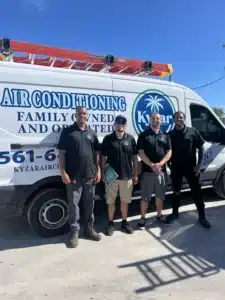
Paolo Weston is the owner of Kyzar Air Conditioning, committed to delivering reliable and efficient HVAC solutions for both homes and businesses. With years of experience in heating, cooling, and ventilation systems, he prioritizes quality workmanship, energy efficiency, and exceptional customer service. Paolo is dedicated to helping clients maintain comfortable, safe, and well-functioning indoor environments year-round.
 by Paolo Weston
Most homeowners in West Palm Beach, Florida, take their HVAC...
 by Paolo Weston
Indoor air quality is often overlooked in homes, but for...
 by Paolo Weston
Maintaining a comfortable environment in commercial spaces is more complicated...
 by Paolo Weston
For property owners in West Palm Beach, maintaining a dependable...
 by Paolo Weston
Commercial properties in Florida rely heavily on HVAC systems to...
 by Paolo Weston
For many Florida homeowners, scheduling HVAC service feels like a...