 by Paolo Weston
Why Commercial Buildings Often Experience Uneven Cooling
Maintaining a comfortable environment in commercial spaces is more complicated...
by Paolo Weston
Florida’s warm climate brings many advantages, but it also means allergens such as pollen, mold, and dust can thrive year-round. For those with allergies or respiratory sensitivities, managing these irritants in your home is essential for comfort and health. While many people focus on cleaning their homes regularly, HVAC maintenance plays a crucial role in controlling allergens and improving indoor air quality. By maintaining your HVAC system properly, you can help keep allergens at bay and breathe easier.
Your HVAC system is responsible for heating, cooling, and circulating air throughout your home. As it moves air, it can also transport dust, pollen, mold spores, and other allergens. If your HVAC system is not maintained, these allergens can build up in your ducts and filters, circulating throughout your home every time the system is running. However, with proper maintenance, you can significantly reduce the presence of these allergens.
Air filters are one of the most important components of your HVAC system when it comes to controlling allergens. Filters trap dust, dirt, and other particles before they enter your ducts, preventing them from being released into the air. Over time, filters can become clogged with dirt and allergens, which reduces their effectiveness.
Choosing the Right Filter
The first step in reducing allergens through your HVAC system is choosing the right air filter. Not all filters are created equal. Filters come in a variety of ratings, known as MERV (Minimum Efficiency Reporting Value), which indicates their effectiveness at trapping particles. For allergen control, look for a filter with a MERV rating of at least 8 to 13. Higher ratings capture smaller particles, such as pet dander and pollen, which are common allergens in Florida homes.
Changing Filters Regularly
Once you’ve chosen the right filter, regular replacement is crucial. Depending on the type of filter you use and how often your HVAC system operates, filters should be replaced every 1 to 3 months. A clogged filter not only reduces airflow but also allows allergens to build up in the system, making it less efficient at controlling indoor air quality. Set a reminder to check your filters and change them as needed to maintain maximum allergen control.
Ducts are another area where allergens can accumulate over time. If your HVAC system has not been cleaned in years, it could be circulating dust, mold, and other irritants throughout your home. Dirty ducts are a major source of allergens, especially if you live in a humid climate like Florida, where mold and mildew are common.
Duct Cleaning
Regular duct cleaning is essential for ensuring that your HVAC system isn’t spreading allergens through your home. While there’s no universal recommendation for how often ducts should be cleaned, it’s generally advised to schedule cleaning every 3 to 5 years, or more frequently if you have pets or live in a particularly dusty area. A professional HVAC technician can inspect your ducts, clean them thoroughly, and remove any debris or mold buildup.
Sealing Leaks
Leaks in your ductwork can also contribute to allergen buildup. When ducts are damaged or improperly sealed, dust and other particles can enter and escape, contaminating the air that circulates throughout your home. A technician can inspect your ducts for leaks and repair them to ensure your system is functioning efficiently and keeping allergens under control.
Humidity is a common problem in Florida, and it can have a significant impact on indoor air quality. High humidity levels can cause mold and mildew to grow, particularly in areas like air ducts, basements, and bathrooms. Mold spores are a major allergen that can trigger respiratory issues, especially for individuals with asthma or sensitivities.
Use a Dehumidifier
One of the best ways to reduce mold and mildew in your home is by controlling humidity. Installing a dehumidifier can help regulate moisture levels in the air, keeping them at a comfortable level while preventing the growth of mold. Many HVAC systems can be integrated with a whole-house dehumidifier, which works to remove excess moisture from the air before it even enters your system.
Regular HVAC Maintenance to Prevent Mold Growth
Routine HVAC maintenance is also important for preventing mold buildup within your system. A professional technician will inspect the evaporator coils and drain lines to ensure that moisture is being properly drained away. If your system has a condensation problem, this can lead to mold growth in the ducts or on the coils, which can spread allergens throughout your home.
For additional protection against allergens, you may consider installing air purifiers or ultraviolet (UV) lights within your HVAC system.
Air Purifiers
Air purifiers help remove particles from the air that filters may miss. Many air purifiers can be installed directly into your HVAC system, where they can work to clean the air that circulates throughout your home. These systems can capture even the smallest particles, such as smoke, dust mites, and pet dander. When combined with a good air filter, air purifiers offer an extra layer of protection against allergens.
UV Lights
UV lights can be installed in your HVAC system to kill mold, bacteria, and other harmful microorganisms that may be circulating through your ducts. UV light is particularly effective at eliminating mold and mildew growth in humid climates like Florida. Installing UV lights in your system can help keep your HVAC system clean and reduce the spread of allergens.
Ventilation plays an important role in maintaining good indoor air quality. Without proper ventilation, stale air can build up, increasing the concentration of allergens in your home. To improve airflow, make sure that your HVAC system is providing adequate ventilation.
Clean Vents and Registers
Clean your air vents and registers regularly to ensure that air can circulate freely. Dust and dirt can accumulate on vents and restrict airflow, making your HVAC system work harder and increasing the amount of allergens circulating through your home. Regularly cleaning vents and ensuring that furniture or other items are not blocking airflow is an easy step to help improve your home’s air quality.
The best way to ensure your HVAC system is working efficiently and keeping allergens under control is through regular professional maintenance. An experienced HVAC technician can clean and inspect all parts of the system, check for leaks, and ensure that everything is functioning properly. They can also provide expert advice on additional measures to improve indoor air quality and reduce allergens in your home.
Proper HVAC maintenance plays a crucial role in reducing allergens and improving indoor air quality. By choosing the right air filter, regularly cleaning ducts, controlling humidity levels, and ensuring proper ventilation, you can create a healthier environment for everyone in your home. Don’t forget to schedule professional maintenance to keep your system running smoothly and free from allergens.
Investing time and effort into maintaining your HVAC system not only ensures better air quality but also extends the lifespan of your equipment. The result will be a more comfortable and allergy-free home, allowing you and your family to breathe easy year-round.
Paolo Weston is the owner of Kyzar Air Conditioning, committed to delivering reliable and efficient HVAC solutions for both homes and businesses. With years of experience in heating, cooling, and ventilation systems, he prioritizes quality workmanship, energy efficiency, and exceptional customer service. Paolo is dedicated to helping clients maintain comfortable, safe, and well-functioning indoor environments year-round.
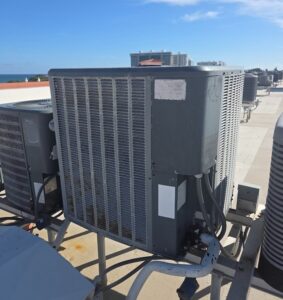 by Paolo Weston
Maintaining a comfortable environment in commercial spaces is more complicated...
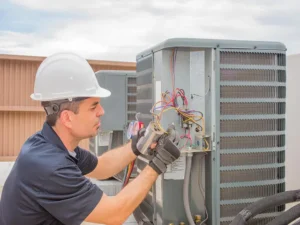 by Paolo Weston
For property owners in West Palm Beach, maintaining a dependable...
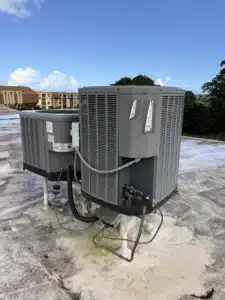 by Paolo Weston
Commercial properties in Florida rely heavily on HVAC systems to...
 by Paolo Weston
For many Florida homeowners, scheduling HVAC service feels like a...
 by Paolo Weston
In a warm coastal climate like West Palm Beach, air...
 by Paolo Weston
Living in West Palm Beach means living with heat, humidity,...