 by Paolo Weston
Why Ignoring Strange HVAC Noises Can Lead to Costly Repairs
Most homeowners in West Palm Beach, Florida, take their HVAC...
by Paolo Weston
Air conditioning is essential in Florida’s hot and humid climate, but over time, even the best systems can lose efficiency. An inefficient AC not only struggles to cool your home but also increases energy bills and can lead to costly repairs. Understanding the signs that your system may need replacement allows homeowners to make informed decisions and avoid uncomfortable or expensive surprises.
An efficient air conditioning system keeps your home comfortable while using the least amount of energy. When your system becomes inefficient, it struggles to maintain the desired temperature, runs longer than necessary, and can strain components, increasing the likelihood of breakdowns. Inefficient systems can also contribute to poor indoor air quality and uneven cooling throughout your home. By recognizing early signs, you can plan for repairs or replacement before problems worsen.
One of the first indicators of an inefficient AC system is a noticeable rise in energy bills without a change in usage. If your home feels warm despite running the AC at the same settings as before, the system may be working harder to cool the space. Components like compressors and fans can wear down over time, causing the system to consume more electricity. Regularly monitoring energy bills and comparing them year over year can help you spot inefficiency early.
An efficient system distributes cool air evenly throughout your home. If certain rooms are consistently warmer or cooler than others, it may indicate problems with the AC. Uneven cooling can be caused by duct leaks, failing blower motors, or worn-out components within the system. Persistent hot or cold spots suggest that the unit is struggling and may no longer be able to maintain consistent temperatures, signaling it might be time for a replacement.
Older or inefficient AC systems often require repeated repairs. If you notice that your system breaks down frequently, requires costly repairs, or struggles to maintain cooling, it may be more cost-effective to replace the unit rather than continue investing in temporary fixes. Frequent service calls are not only expensive but also indicate that critical components may be near the end of their lifespan.
Unusual sounds such as grinding, rattling, or squealing are often signs of mechanical wear. These noises can indicate problems with the fan motor, compressor, or other moving parts. While some issues may be repairable, persistent noises in an older system often signal that replacement could be the most practical solution. Ignoring these sounds can lead to further damage and higher repair costs.
Reduced airflow from vents is another common indicator of an inefficient AC. Blocked or leaking ducts, clogged filters, or failing blower fans can limit airflow, making it harder for the system to cool your home effectively. While some of these issues can be addressed through maintenance, consistently weak airflow may indicate a larger problem with the system that warrants replacement.
An efficient AC not only cools the air but also removes excess humidity. If your home feels sticky or damp even when the AC is running, it could be a sign that the system’s dehumidification function is failing. Moisture buildup can lead to mold growth, poor air quality, and discomfort, all of which may indicate that the unit is no longer functioning properly.
AC systems generally last between 10 and 15 years, though this varies depending on usage and maintenance. If your system is approaching or exceeding this age range, efficiency naturally declines, and the risk of costly repairs increases. Older units are also less likely to meet modern energy efficiency standards, meaning replacement may provide long-term savings on energy bills.
When maintenance costs begin to outweigh the benefits of keeping the system running, replacement becomes the more practical option. Frequent part replacements, refrigerant recharges, and labor expenses can quickly add up. Investing in a new, energy-efficient system can provide more reliable performance, reduce energy costs, and offer peace of mind.
A malfunctioning thermostat can also indicate an inefficient AC system. If the system runs constantly or cycles on and off irregularly, it may be struggling to maintain the set temperature. While a faulty thermostat alone can be replaced, repeated temperature inconsistencies often point to deeper issues within the system that a professional can assess.
Upgrading to a new, energy-efficient AC unit offers several advantages:
Investing in a new system can improve comfort and efficiency while reducing long-term costs.
Recognizing when your AC system is losing efficiency is key to maintaining comfort and avoiding costly repairs in Florida’s climate. Signs such as rising energy bills, uneven cooling, frequent repairs, strange noises, and reduced airflow all indicate that it may be time to consider a replacement. While maintenance can extend the life of your system, there comes a point when investing in a new unit is the most practical solution.
For homeowners looking to improve comfort and energy efficiency, consulting a professional HVAC company is essential. Licensed technicians can assess your system, provide repair or replacement recommendations, and install a unit that meets modern energy standards. If you want expert guidance on maintaining or upgrading your AC, reach out to a trusted HVAC company today and ensure your home stays cool and efficient year-round.
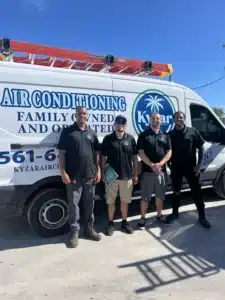
Paolo Weston is the owner of Kyzar Air Conditioning, committed to delivering reliable and efficient HVAC solutions for both homes and businesses. With years of experience in heating, cooling, and ventilation systems, he prioritizes quality workmanship, energy efficiency, and exceptional customer service. Paolo is dedicated to helping clients maintain comfortable, safe, and well-functioning indoor environments year-round.
 by Paolo Weston
Most homeowners in West Palm Beach, Florida, take their HVAC...
 by Paolo Weston
Indoor air quality is often overlooked in homes, but for...
 by Paolo Weston
Maintaining a comfortable environment in commercial spaces is more complicated...
 by Paolo Weston
For property owners in West Palm Beach, maintaining a dependable...
 by Paolo Weston
Commercial properties in Florida rely heavily on HVAC systems to...
 by Paolo Weston
For many Florida homeowners, scheduling HVAC service feels like a...