 by Paolo Weston
Why Commercial Buildings Often Experience Uneven Cooling
Maintaining a comfortable environment in commercial spaces is more complicated...
by Paolo Weston
Living in West Palm Beach means living with heat, humidity, and long cooling seasons. Air conditioning is not a luxury in South Florida. It is a daily necessity. But keeping your home comfortable does not have to mean high energy bills or unnecessary strain on your HVAC system. With the right habits, smart upgrades, and routine maintenance, homeowners can significantly reduce cooling costs while still maintaining reliable indoor comfort.
Energy efficiency is not about sacrificing comfort. It is about using your cooling system in smarter ways and creating a home environment that supports efficient temperature control. The climate in Florida creates unique challenges, from high humidity to constant sun exposure, but it also creates opportunities to optimize how your home stays cool.
Here are practical, realistic energy-saving cooling strategies that work specifically for Florida homes.
Before making changes, it helps to understand why your home gets hot so quickly. In South Florida, heat enters homes through multiple sources. Sunlight through windows is one of the biggest contributors. Roof heat transfer is another major factor, especially in older homes with limited insulation. Humidity also plays a large role, making the air feel warmer than it actually is.
Warm air infiltration through gaps, poorly sealed doors, and aging ductwork allows hot outside air to enter and cool air to escape. When this happens, your air conditioner has to work longer and harder to maintain the set temperature. Reducing these heat sources is the foundation of energy-efficient cooling.
Thermostat settings have a direct impact on energy usage. Setting your system lower than necessary does not cool your home faster. It only forces the system to run longer. A consistent temperature is more efficient than frequent, dramatic adjustments.
For most Florida homes, a setting between 76 and 78 degrees provides a balance between comfort and efficiency. When the house is empty, increasing the temperature by a few degrees can reduce unnecessary runtime. Programmable and smart thermostats make this process easier by adjusting temperatures automatically based on schedules and occupancy patterns.
Smart thermostats also provide usage data, helping homeowners understand when their system is working the hardest and where energy savings can be made. Over time, these small adjustments create noticeable reductions in monthly cooling costs.
Humidity is one of the biggest comfort issues in West Palm Beach homes. High moisture levels make rooms feel warmer, even when the temperature is moderate. When humidity is controlled properly, you can stay comfortable at higher thermostat settings.
A well-functioning air conditioning system naturally removes moisture, but additional solutions like whole-home dehumidifiers can improve comfort and efficiency. Reducing indoor humidity lowers the workload on your cooling system and improves indoor air quality.
Proper ventilation also plays a role. Bathrooms, kitchens, and laundry areas should have working exhaust fans to prevent moisture buildup that spreads throughout the home.
Cooling efficiency depends heavily on how well your home holds conditioned air. Poor insulation and air leaks waste energy and drive up cooling costs. Attic insulation is especially important in Florida homes because the roof absorbs intense heat throughout the day.
Sealing gaps around windows, doors, attic access points, and duct connections helps prevent cool air loss. Even small openings can have a major impact over time. Weatherstripping and caulking are low-cost upgrades that improve efficiency quickly.
Duct sealing is often overlooked but extremely important. Leaky ductwork allows cooled air to escape into attics and wall cavities, forcing the system to compensate by running longer cycles.
Windows are one of the largest sources of heat gain in Florida homes. Sun exposure can significantly raise indoor temperatures, especially during peak afternoon hours. Energy-efficient windows reduce heat transfer and UV penetration while still allowing natural light into the home.
For homeowners not ready to replace windows, there are other effective options. Solar screens, reflective window films, and thermal curtains help block heat while maintaining visibility and light flow. Closing blinds during peak sunlight hours also reduces indoor heat buildup.
Strategic shading outside the home, such as awnings, covered patios, and landscaping, can further reduce sun exposure on high-impact walls and windows.
Ceiling fans do not cool air, but they improve comfort by moving it. Proper airflow allows you to feel cooler without lowering the thermostat. Fans should rotate counterclockwise in summer to push air downward and create a cooling breeze effect.
Using fans in occupied rooms allows higher thermostat settings without sacrificing comfort. Turning fans off in empty rooms prevents unnecessary energy use. When paired with an efficient AC system, fans reduce overall cooling demand.
Routine maintenance is one of the most effective ways to improve energy efficiency. Dirty filters restrict airflow and force systems to work harder. Clogged coils reduce heat transfer. Worn components reduce performance and increase power consumption.
Regular professional maintenance keeps your system operating at peak efficiency. Technicians clean internal components, inspect electrical connections, test performance levels, and identify small problems before they become costly failures.
In Florida’s climate, HVAC systems run most of the year. Skipping maintenance shortens equipment lifespan and increases operating costs. Preventive service protects both comfort and long-term investment value.
If your cooling system is aging or struggling to keep up, upgrading to a high-efficiency unit can significantly reduce energy usage. Modern HVAC systems are designed with improved compressors, variable-speed motors, and better humidity control technology.
High-efficiency systems operate more consistently instead of cycling on and off, which improves comfort and reduces power spikes. Variable-speed systems adjust output based on demand, using less energy during lower load periods.
While system replacement is a larger investment, the long-term savings on energy bills and reduced repair costs often justify the upgrade.
Small daily habits make a difference. Cooking during cooler parts of the day reduces indoor heat buildup. Using heat-producing appliances like ovens, dryers, and dishwashers during off-peak hours helps keep temperatures stable.
Switching to LED lighting reduces heat output and energy consumption. Electronics also generate heat, especially when used continuously. Managing appliance usage reduces the overall cooling demand in the home.
Closing doors to unused rooms limits the space your AC system needs to cool. This simple habit improves airflow efficiency and reduces unnecessary energy use.
Energy-efficient cooling works best as a system, not as isolated changes. Combining insulation improvements, humidity control, smart thermostat use, proper maintenance, and daily habit adjustments creates consistent, long-term savings.
There is no single solution that solves everything. Efficiency comes from layering multiple improvements that support each other. A well-sealed home with a properly maintained HVAC system and smart usage habits performs far better than a home relying on one upgrade alone.
Every Florida home is different. Building materials, insulation levels, duct design, sun exposure, and system age all affect cooling efficiency. A professional HVAC assessment helps identify the most impactful improvements for your specific home.
Local HVAC professionals understand regional climate challenges and design solutions that work in South Florida conditions. Personalized recommendations are far more effective than generic energy-saving advice.
In West Palm Beach, where cooling demands are constant, professional support helps homeowners avoid wasted upgrades and focus on changes that deliver real results.
Energy-efficient cooling is not about extreme temperature settings or constant adjustments. It is about building a home environment that supports consistent comfort with lower energy demand. When systems are maintained properly, homes are sealed correctly, and cooling habits are aligned with efficiency principles, comfort becomes easier to maintain and less expensive to achieve.
For Florida homeowners, especially in West Palm Beach, smart cooling strategies are not just about savings. They protect HVAC systems, improve indoor comfort, and create more reliable performance during the hottest months of the year.
By making practical upgrades and adopting smarter cooling habits, you can stay comfortable without overworking your system or overspending on energy costs. A well-cooled home should feel effortless, not expensive.
Paolo Weston is the owner of Kyzar Air Conditioning, committed to delivering reliable and efficient HVAC solutions for both homes and businesses. With years of experience in heating, cooling, and ventilation systems, he prioritizes quality workmanship, energy efficiency, and exceptional customer service. Paolo is dedicated to helping clients maintain comfortable, safe, and well-functioning indoor environments year-round.
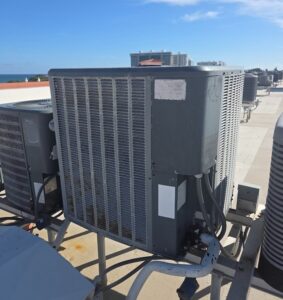 by Paolo Weston
Maintaining a comfortable environment in commercial spaces is more complicated...
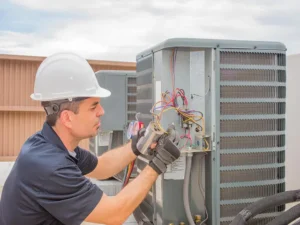 by Paolo Weston
For property owners in West Palm Beach, maintaining a dependable...
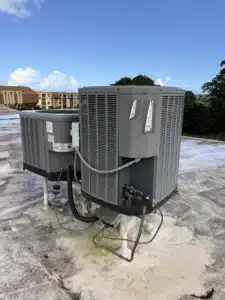 by Paolo Weston
Commercial properties in Florida rely heavily on HVAC systems to...
 by Paolo Weston
For many Florida homeowners, scheduling HVAC service feels like a...
 by Paolo Weston
In a warm coastal climate like West Palm Beach, air...
 by Paolo Weston
Florida HVAC systems work harder than those in almost any...