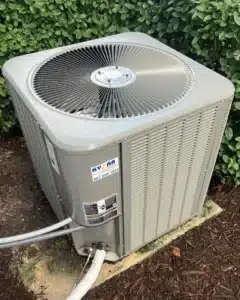
Indoor air quality is often overlooked in homes, but for residents of West Palm Beach, Florida, it is a critical factor in comfort and health. High humidity, warm temperatures, and frequent pollen can make indoor air feel heavy or even unsafe. Many homeowners have turned to HVAC air scrubbers to help manage these concerns. These devices attach to your existing HVAC system and work continuously to clean the air circulating throughout your home. Understanding exactly what an air scrubber removes—and what it doesn’t—is key to knowing if it’s the right investment for your household.
How HVAC Air Scrubbers Work
Air scrubbers operate by filtering and purifying air as it passes through your HVAC system. Unlike a standard air filter, which primarily captures larger particles, air scrubbers use advanced technology to neutralize pollutants at a microscopic level. Most modern systems combine high-efficiency filters, ultraviolet (UV) light, and ionization or oxidation processes to break down contaminants. Essentially, an air scrubber attacks airborne pollutants in two ways: by trapping particles and by neutralizing harmful substances.
In a Florida home, where humidity levels often hover above 70% in the summer, an HVAC air scrubber can also help reduce the growth of mold and mildew. Mold spores are common in warm, damp environments and can easily spread through ductwork. Air scrubbers target these spores before they have a chance to settle and grow, providing an added layer of protection beyond regular cleaning and maintenance.
Particles Removed by Air Scrubbers
The first category of pollutants that an air scrubber tackles is particulate matter. This includes dust, pet dander, pollen, and other small debris that floats through the air. Florida’s landscape, with its tropical plants and seasonal pollen spikes, can make indoor air particularly challenging for people with allergies. Air scrubbers are designed to capture these fine particles, preventing them from circulating and reducing the burden on standard HVAC filters.
Beyond dust and pollen, air scrubbers also address smaller particles known as PM2.5, which are microscopic pollutants that can penetrate deep into the lungs. These may come from outdoor pollution, cooking, or even tobacco smoke. Because PM2.5 is so small, it often escapes standard filters, but an air scrubber’s advanced filtration can trap or neutralize a large portion of these harmful particles.
Microbial Contaminants and Pathogens
Airborne microbes are another major concern for homeowners, especially in humid climates like Florida’s. Bacteria, viruses, and mold spores can circulate freely through duct systems, increasing the risk of respiratory issues or illness. Air scrubbers equipped with UV light or oxidation technology can neutralize many of these pathogens, reducing the likelihood of infections and allergies. While no system can guarantee 100% elimination of bacteria or viruses, an air scrubber significantly lowers their presence in indoor air.
Mold is especially relevant in Florida homes. Even small leaks or areas of condensation can lead to mold growth, and spores are easily carried by the HVAC system. By continuously purifying the air, an air scrubber can limit mold spores before they establish colonies, helping to protect both the structure of the home and the health of its occupants.
Odor Reduction
HVAC air scrubbers also play a role in controlling odors. Common household smells—from cooking, pets, or humidity-related mildew—can linger in ductwork and circulate through the home. Many air scrubbers use activated carbon or other chemical-neutralizing processes to remove volatile organic compounds (VOCs), which are often the source of these odors. The result is fresher, cleaner-smelling air throughout your living spaces.
In Florida, VOCs can also come from outdoor sources, such as landscaping chemicals or vehicle emissions. Because these compounds are lightweight, they can easily enter a home and remain suspended in the air. An air scrubber’s continuous purification helps break down these chemicals, reducing exposure and making the home environment healthier.
Impact on Allergies and Respiratory Health
For people with asthma, allergies, or other respiratory conditions, clean indoor air can have a profound effect. Air scrubbers can significantly reduce the number of irritants in the air, leading to fewer allergy flare-ups and less strain on the respiratory system. Dust, pollen, pet dander, and mold spores are common triggers, and by capturing or neutralizing them, air scrubbers improve overall air quality.
It’s important to note that while air scrubbers help, they are most effective when paired with good home maintenance. Regular HVAC inspections, duct cleaning, and controlling humidity are all essential steps in creating a truly healthy indoor environment.
What Air Scrubbers Cannot Remove
While air scrubbers are highly effective, they are not a cure-all. Certain pollutants, such as heavy metals in dust, some chemical fumes, and extremely fine smoke particles, may still require additional solutions. Also, if the source of a contaminant is structural—like persistent mold in walls or carpets—air scrubbers cannot address it directly. In these cases, professional remediation or targeted cleaning is necessary.
Additionally, air scrubbers cannot replace ventilation. Proper airflow is critical for maintaining a healthy home, especially in humid climates. Combining an air scrubber with good ventilation practices ensures that fresh air dilutes any remaining indoor pollutants.
Choosing the Right Air Scrubber for Your Florida Home
When selecting an HVAC air scrubber, consider the size of your home, the type of HVAC system you have, and specific indoor air quality concerns. Some models are designed for homes with severe allergy issues, while others focus more on odor and chemical removal. Consulting with a professional HVAC technician in West Palm Beach can help identify the best system for your needs.
Installation is another factor. While some air scrubbers can be retrofitted to existing HVAC systems, others may require more extensive modifications. A professional assessment ensures that the system is installed correctly, maximizing its efficiency and lifespan.
Maintenance and Longevity
Like any HVAC component, air scrubbers require maintenance to operate effectively. Filters need periodic replacement, and UV lamps or oxidation elements must be checked and replaced according to manufacturer guidelines. Regular maintenance not only ensures optimal performance but also protects the investment in your home’s air quality.
Conclusion
In Florida homes, where heat, humidity, and outdoor allergens create unique challenges, an HVAC air scrubber can be a valuable addition. These systems capture dust, pollen, pet dander, and microscopic particles, neutralize bacteria and viruses, and help reduce odors. While they are not a replacement for ventilation or structural cleaning, they significantly improve the quality of indoor air. For residents of West Palm Beach looking to breathe cleaner air and protect their families from common airborne irritants, investing in an air scrubber is a practical and effective solution.
The air inside your home is not just about comfort—it impacts your health every day. Installing an HVAC air scrubber helps ensure that the air you breathe is cleaner, safer, and more comfortable year-round.
 by Paolo Weston