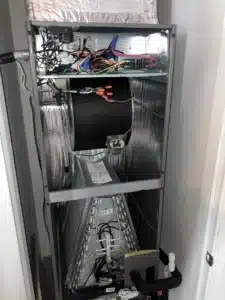
Ventilation is one of the most important yet often overlooked components of a commercial HVAC system. In Florida, where heat, humidity, and high building occupancy are common, proper ventilation is not optional. It directly affects indoor air quality, occupant comfort, building performance, and regulatory compliance. Commercial buildings that fail to prioritize ventilation often face higher operating costs, increased maintenance issues, and complaints from employees, customers, or tenants.
Unlike residential properties, commercial buildings must account for larger groups of people, longer operating hours, and diverse interior uses. Offices, retail stores, restaurants, healthcare facilities, and warehouses all have different ventilation needs. Understanding why ventilation matters and how it supports a healthy indoor environment is essential for any business operating in Florida.
Ventilation Plays a Central Role in Indoor Air Quality
Indoor air quality is a primary concern in commercial buildings. Poor ventilation allows contaminants to build up inside enclosed spaces. These contaminants can include carbon dioxide, volatile organic compounds, airborne particles, and biological pollutants. In Florida, excess moisture in the air can also contribute to mold growth when ventilation is insufficient.
Proper ventilation helps dilute and remove indoor pollutants by introducing fresh outdoor air and exhausting stale air. This exchange reduces the concentration of contaminants that occupants breathe throughout the day. In high-occupancy environments, such as offices or retail spaces, ventilation becomes even more critical because people themselves are a major source of carbon dioxide and airborne particles.
When indoor air quality declines, occupants often notice symptoms such as headaches, fatigue, difficulty concentrating, or irritation of the eyes and throat. Over time, these issues can impact productivity, customer experience, and overall satisfaction with the space.
Florida Humidity Makes Ventilation Even More Important
Florida’s climate presents unique challenges that make proper ventilation essential. High humidity levels are present for much of the year. When moist air is not properly managed, it can lead to condensation, damp surfaces, and microbial growth inside commercial buildings.
Ventilation works alongside cooling and dehumidification systems to help control indoor moisture levels. Without adequate airflow and air exchange, humidity can become trapped indoors. This creates an environment where mold and mildew can thrive, particularly in restrooms, break rooms, storage areas, and poorly ventilated corners of large buildings.
Effective ventilation helps remove excess moisture before it causes damage. This not only protects building materials and furnishings but also supports healthier air conditions for occupants. In Florida, moisture control is one of the strongest arguments for investing in well-designed and properly maintained ventilation systems.
Supporting Occupant Comfort and Productivity
Comfort in a commercial building goes beyond temperature alone. Air freshness, humidity balance, and consistent airflow all contribute to how a space feels to the people inside it. Poor ventilation can lead to stuffy rooms, uneven temperatures, and lingering odors, even when the HVAC system is running.
In office environments, inadequate ventilation has been linked to decreased concentration and lower productivity. Employees who feel uncomfortable or fatigued are less likely to perform at their best. In customer-facing businesses, such as retail stores or restaurants, air quality can directly influence how long people stay and whether they return.
Proper ventilation helps create a consistent and comfortable indoor environment. Fresh air circulation reduces odors, balances temperatures, and supports overall comfort. For businesses in Florida, where doors may open frequently and outdoor air conditions fluctuate, maintaining proper ventilation helps stabilize indoor conditions throughout the day.
Meeting Building Codes and Regulatory Requirements
Commercial buildings in Florida must comply with local building codes and mechanical standards that address ventilation requirements. These codes are designed to protect occupant health and safety by ensuring adequate air exchange and system performance.
Ventilation rates are often determined by building use, square footage, and expected occupancy levels. Restaurants, medical facilities, and gyms typically require higher ventilation rates than standard office spaces. Failure to meet these requirements can result in failed inspections, fines, or operational delays.
Regular evaluation of ventilation systems helps ensure ongoing compliance as building usage changes over time. A space that was originally designed for low occupancy may no longer meet code requirements if it is repurposed or expanded. Working with an experienced HVAC provider helps business owners stay ahead of these changes and avoid compliance issues.
Ventilation Helps Control Odors and Airborne Contaminants
Commercial buildings often generate odors from everyday operations. Kitchens, restrooms, cleaning products, and manufacturing processes can all introduce strong smells into the indoor environment. Without proper ventilation, these odors can spread throughout the building and become difficult to eliminate.
Ventilation systems are designed to remove contaminated air at its source and replace it with fresh air. Exhaust fans, dedicated outdoor air systems, and properly balanced airflow all play a role in odor control. In Florida’s warm climate, where buildings may remain closed for much of the day, effective ventilation is key to maintaining a pleasant indoor atmosphere.
In addition to odors, ventilation helps manage airborne contaminants such as dust, fumes, and chemical vapors. This is especially important in commercial settings where cleaning, maintenance, or production activities occur regularly.
Energy Efficiency and Ventilation Can Work Together
Some building owners worry that increasing ventilation will automatically raise energy costs. While it is true that bringing in outdoor air affects heating and cooling loads, modern ventilation strategies are designed to balance air quality with efficiency.
Energy recovery ventilators and demand-controlled ventilation systems help manage this balance. These technologies allow buildings to introduce fresh air while minimizing energy loss. In Florida, where cooling demands are high, energy-efficient ventilation design can make a significant difference in operating costs.
Properly maintained ventilation systems also prevent HVAC equipment from working harder than necessary. When airflow is balanced and components are clean, the entire system operates more efficiently. Over time, this reduces wear on equipment and helps control utility expenses.
Protecting Equipment and Building Infrastructure
Ventilation does not only benefit occupants. It also protects the building itself. Poor airflow can allow heat and moisture to build up in mechanical rooms, ceiling spaces, and enclosed areas. This can shorten the lifespan of HVAC components and other building systems.
In Florida, excess moisture can lead to corrosion, insulation damage, and structural concerns if not properly managed. Ventilation helps regulate conditions in these hidden spaces, reducing the risk of long-term damage. For commercial property owners, this protection can translate into lower maintenance costs and fewer unexpected repairs.
Adapting Ventilation to Changing Building Needs
Commercial buildings rarely remain static. Tenant turnover, renovations, and changes in how spaces are used all affect ventilation requirements. A building that once housed private offices may be converted into an open-plan workspace or shared environment with higher occupancy.
Regular assessments of ventilation performance help ensure systems continue to meet current needs. Adjustments to airflow, filtration, and control strategies may be required to maintain proper indoor conditions. In Florida’s dynamic commercial real estate market, flexibility and ongoing system evaluation are essential.
Why Professional Ventilation Design and Maintenance Matter
Ventilation systems are complex and must be carefully designed to match the specific needs of a commercial building. Proper sizing, placement of vents, and integration with heating and cooling equipment all influence performance.
Professional HVAC technicians have the training and tools to evaluate ventilation effectiveness, identify imbalances, and recommend improvements. Routine maintenance ensures that fans, dampers, filters, and controls function as intended. Without regular service, even a well-designed system can fall short of its potential.
For Florida businesses, working with an HVAC company that understands local climate challenges and building requirements is especially important.
Conclusion
Ventilation is not just a technical requirement. It is a critical component of a healthy, efficient, and compliant commercial building. In Florida’s demanding climate, proper ventilation supports indoor air quality, moisture control, occupant comfort, and long-term building performance.
Businesses that prioritize ventilation are better positioned to protect their employees, customers, and property. Over time, the benefits extend beyond comfort and compliance to include improved efficiency, reduced risk, and greater confidence in the indoor environment.